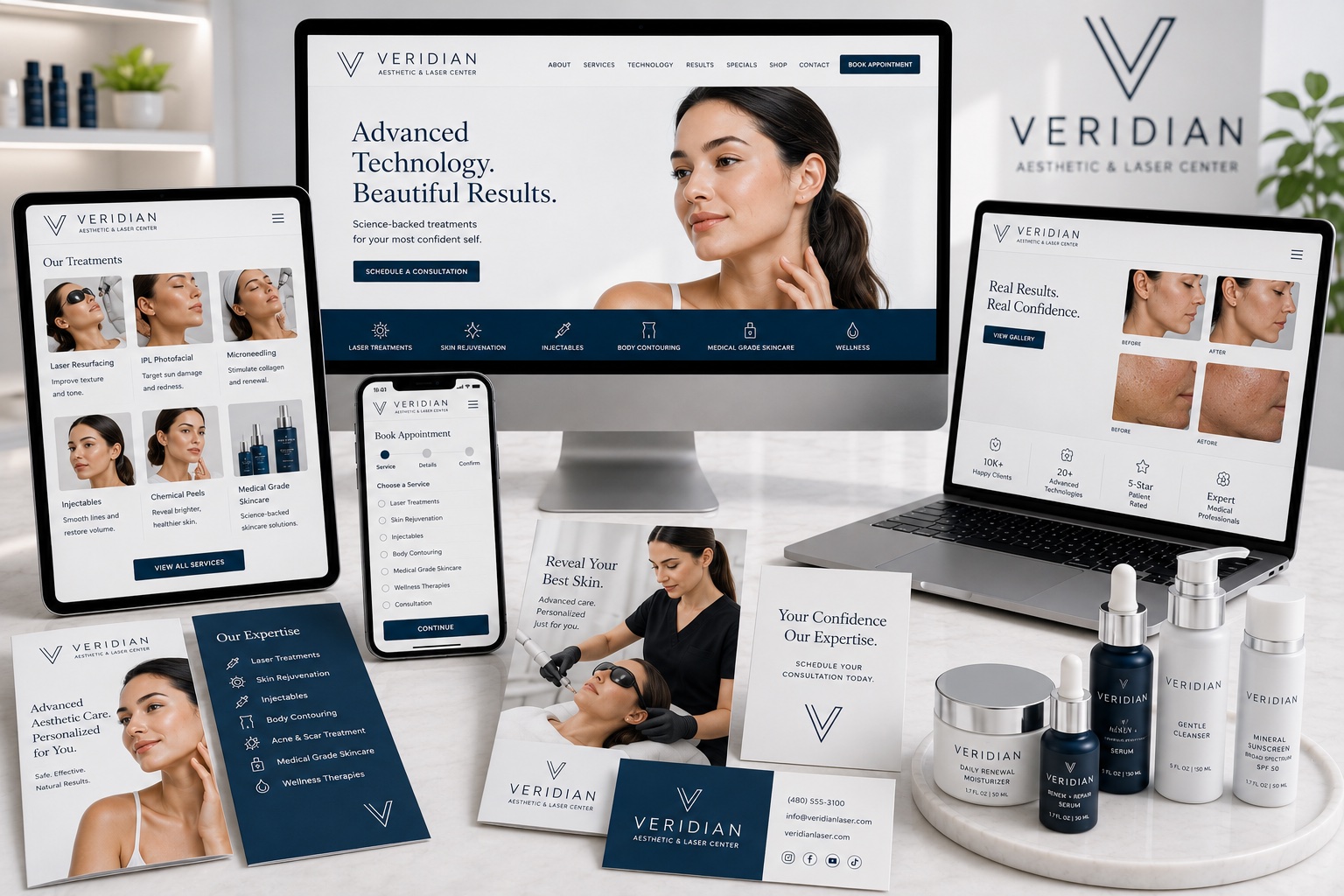
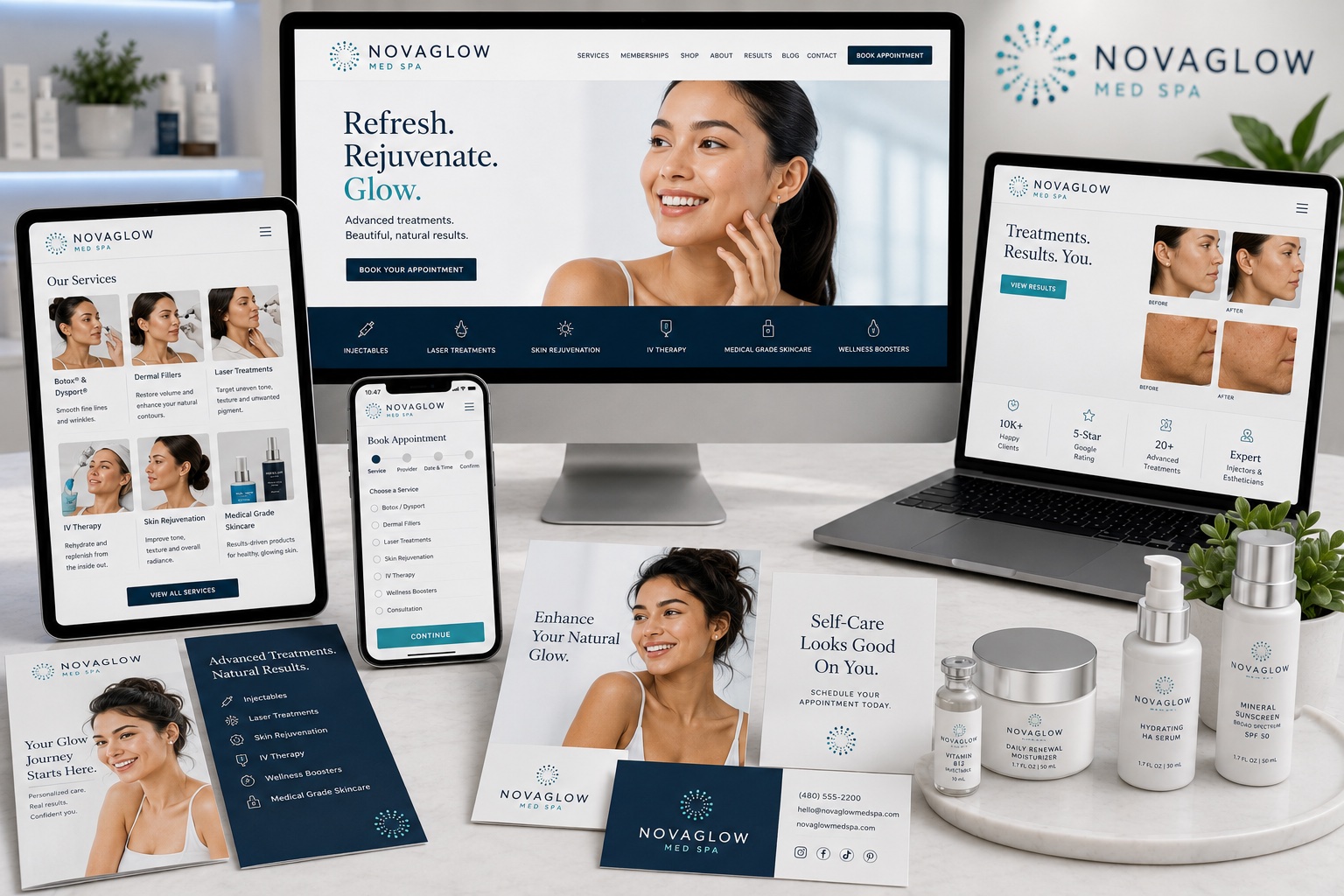
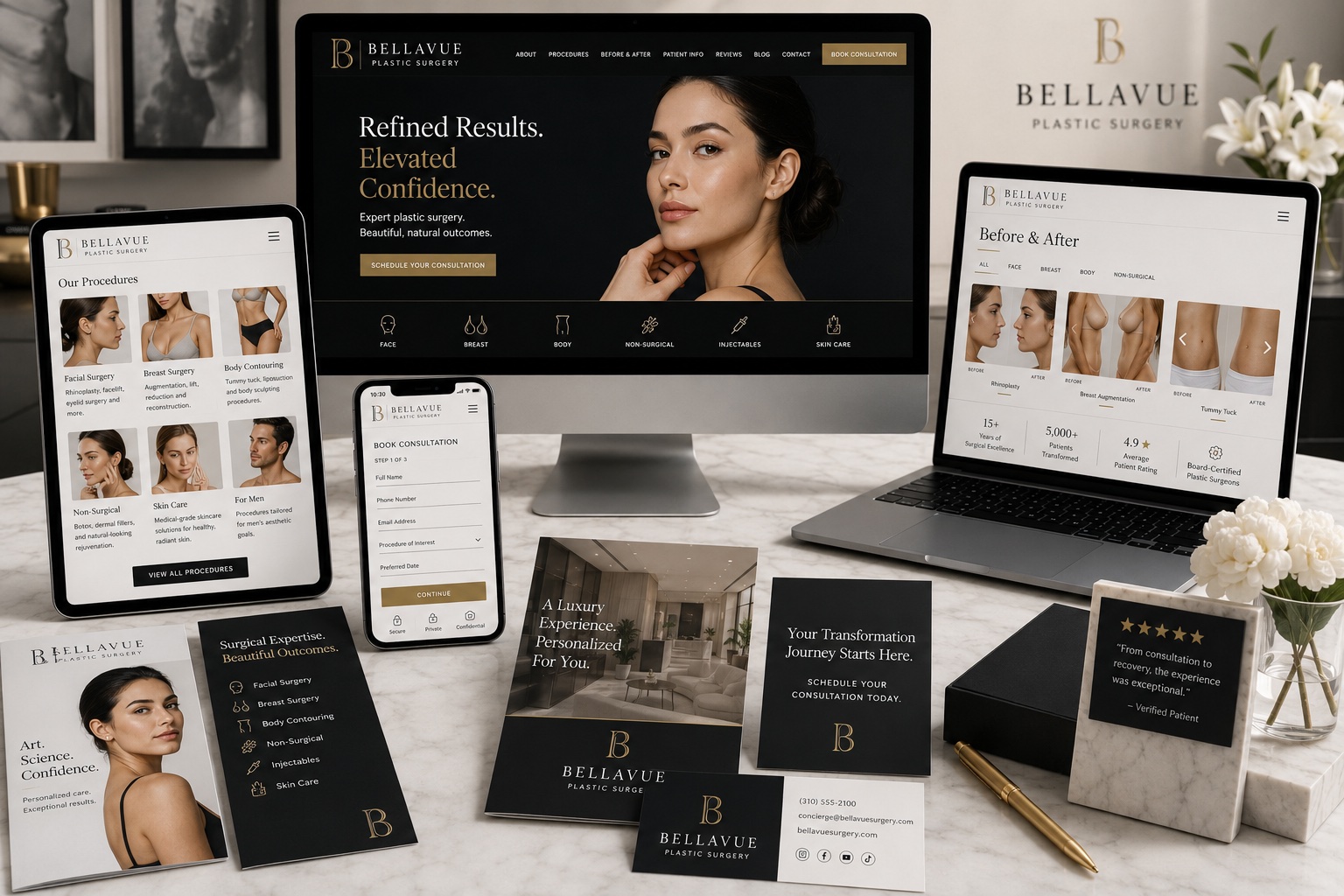
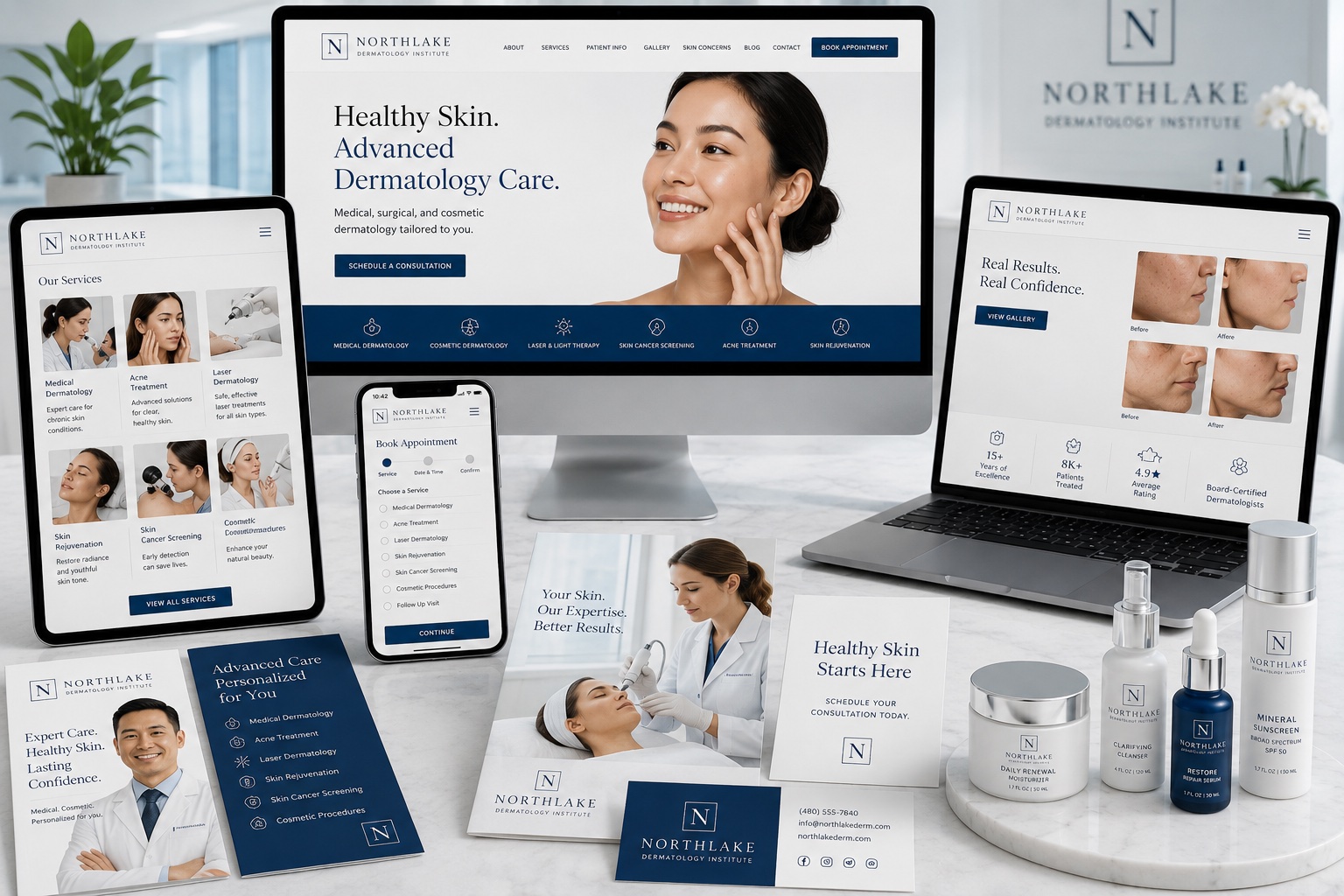
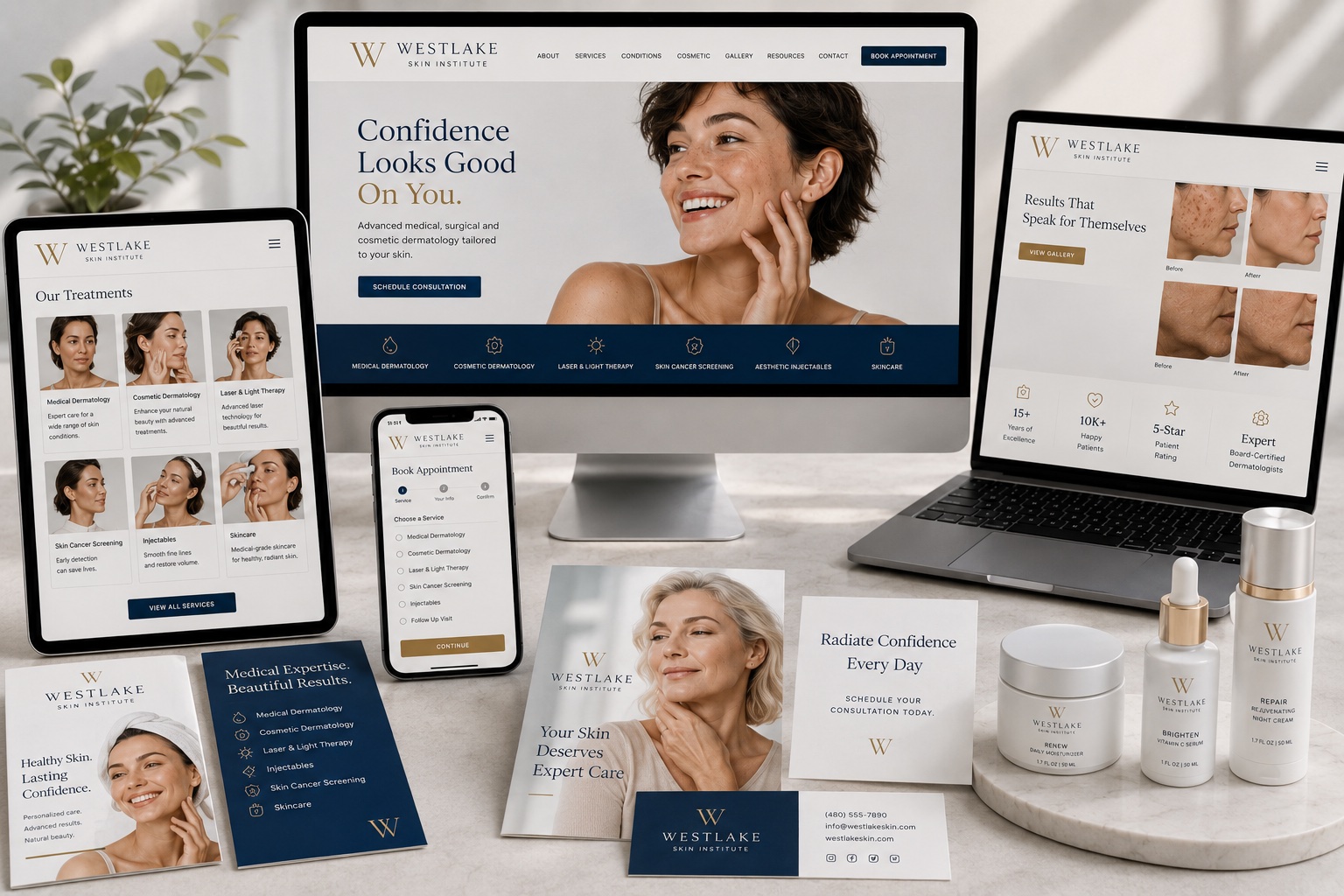
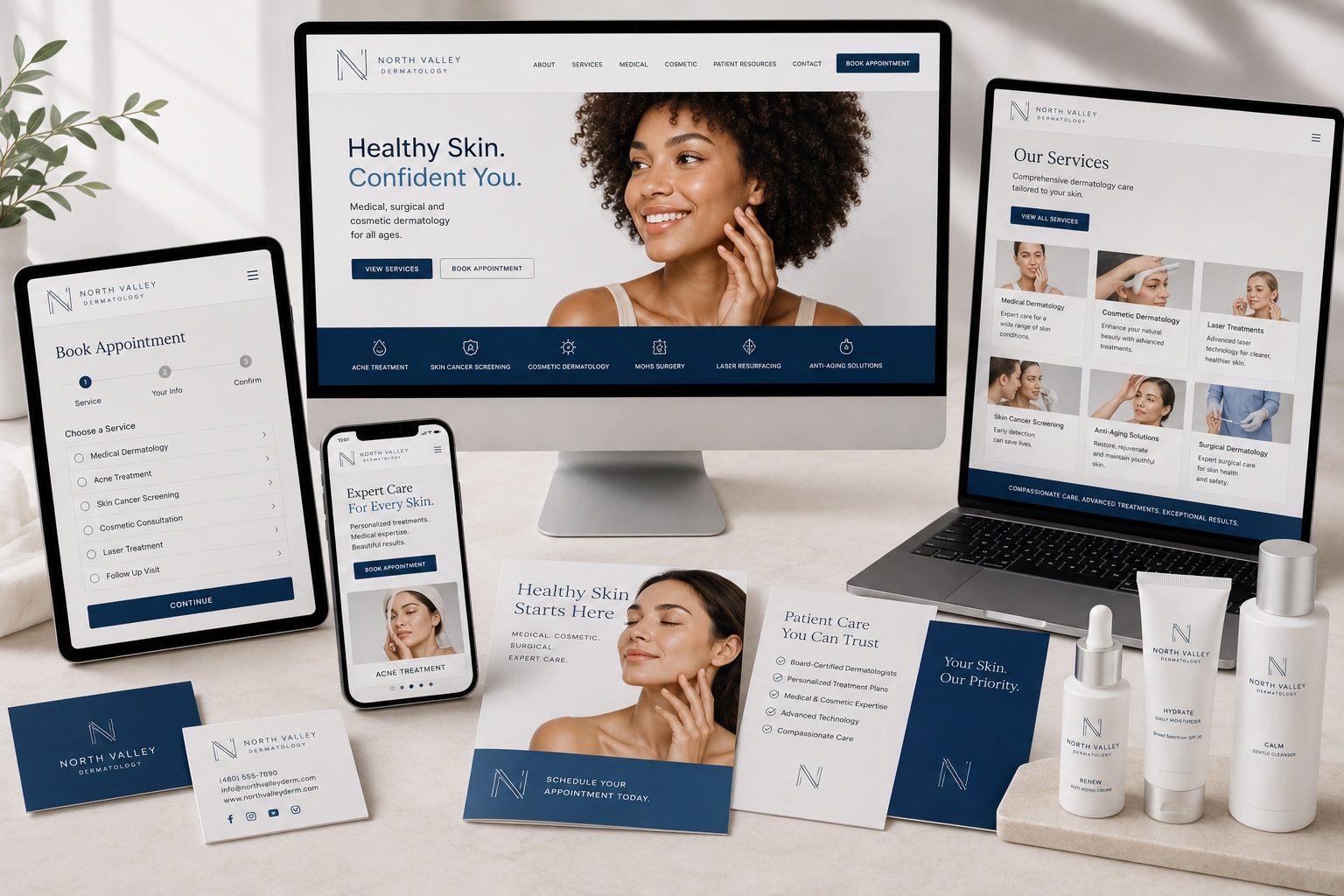
Trusted by aesthetic clinics, healthcare brands, and growing businesses to generate leads, increase bookings, and drive long-term revenue through strategy, marketing, and digital systems.
We Help Businesses Grow Faster with Proven Growth Systems
- Aesthetic Clinics & Med Spas
- Healthcare & Medical
- Retail & eCommerce
- Home Services





── BUSINESS GROWTH
We Help Your Business Grow and Scale
We help businesses generate qualified leads, improve conversions, and increase revenue through strategy, marketing, and high-performance digital systems. Our data-driven approach focuses on measurable results, helping you grow your visibility, attract the right audience, and scale effectively.
Our growth-focused approach includes
- Consistent generation of qualified leads
- Increasing customer value over time
- Improving conversion rates across channels
- Optimizing ROI and performance tracking
- Expanding visibility and market presence
- Integrated marketing and growth strategy
GROWTH SERVICES
Integrated Services Designed for Growth
We provide integrated consulting, marketing, and digital solutions designed to help businesses grow. From strategy to execution, we build systems that generate leads, improve conversions, and support long-term success.

Growth Strategy & Consulting
We help businesses identify opportunities, solve challenges, and implement strategies that improve performance and drive growth.Explore Services

Marketing Services
We create and manage marketing campaigns designed to attract qualified leads, increase visibility, and convert traffic into measurable results.Explore Services

Design & Technology
We design and develop high-performance websites and digital systems that enhance user experience and support business growth.Explore Services
Our consulting, marketing, and digital solutions are designed to help businesses grow, generate leads, and improve performance through strategic execution and ongoing optimization.
WHY CLIENTS CHOOSE US
A Partner Focused on Your Growth
We combine strategy, marketing, and digital expertise to help businesses generate leads, improve conversions, and achieve measurable growth.


Trusted by Growing Aesthetic & Wellness Brands
For over two decades, Illumination Consulting has helped businesses improve visibility, modernize digital experiences, and build growth strategies designed for long-term success.
- 28+Years Experience
- 235+Strategic Projects
- 45%Brand Launches
- 98%Client Satisfaction
── GROWTH STRATEGY
Turning Strategy Into Measurable Growth
We help businesses build and execute strategies that generate leads, improve conversions, and drive consistent revenue growth. Our integrated approach combines consulting, marketing, and digital systems to deliver real business results.
Our growth-focused approach includes
- Strong Brand Positioning & Identity
- Growth-Focused Marketing Strategies
- High-Conversion Website Design
- Scalable E-Commerce Solutions
- Search Engine Optimization (SEO)
- Performance-Driven Paid Advertising
- Social Media Growth & Engagement
- Business Consulting & Strategic Support

GROWTH SOLUTIONS
Integrated Systems for Business Growth
Integrated strategy, marketing, and digital solutions designed to generate leads, improve conversions, and drive measurable growth.


AI-POWERED GROWTH ADVISORS
AI Growth Advisors for Aesthetic Brands
Explore Illumination Consulting’s AI-powered growth advisors designed to help med spas, aesthetic clinics, plastic surgery practices, and dermatology brands improve visibility, increase patient bookings, strengthen digital presence, and modernize growth strategy.




── CLIENT SUCCESS
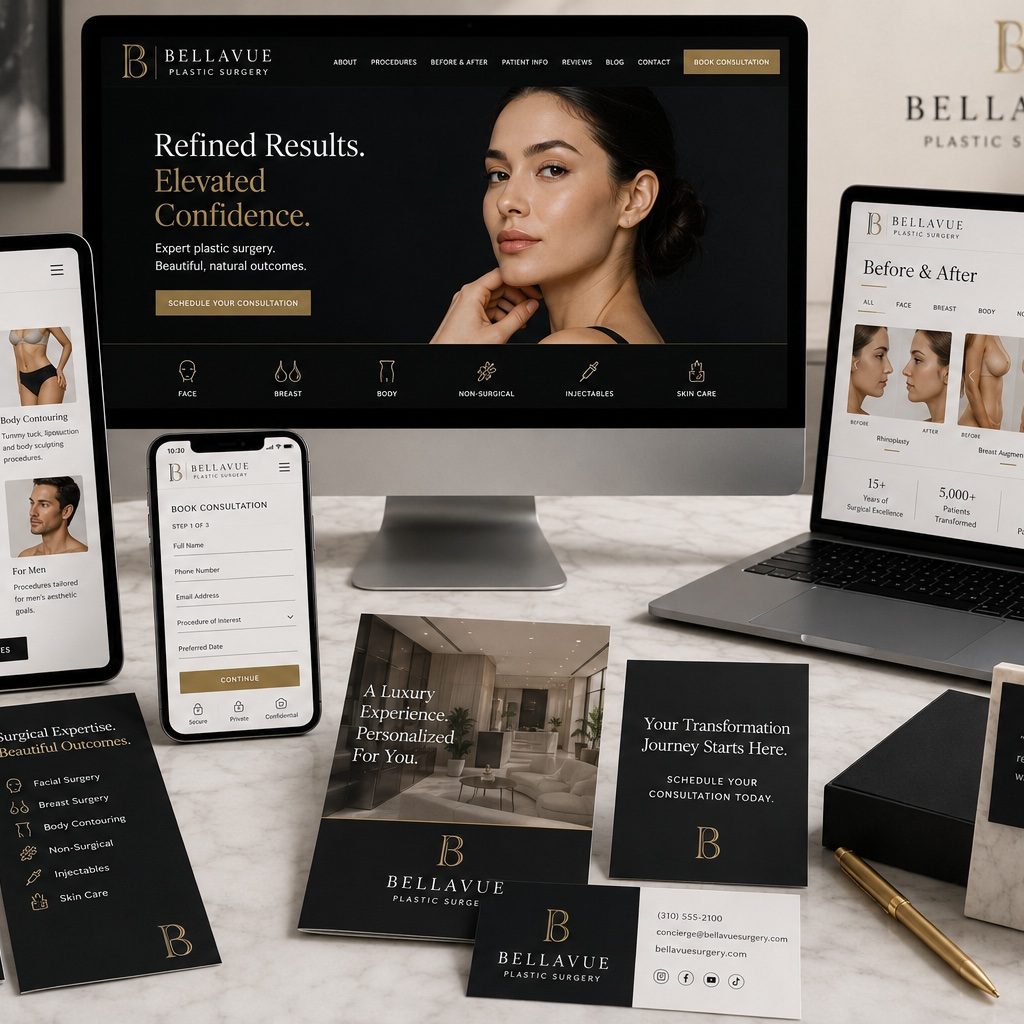
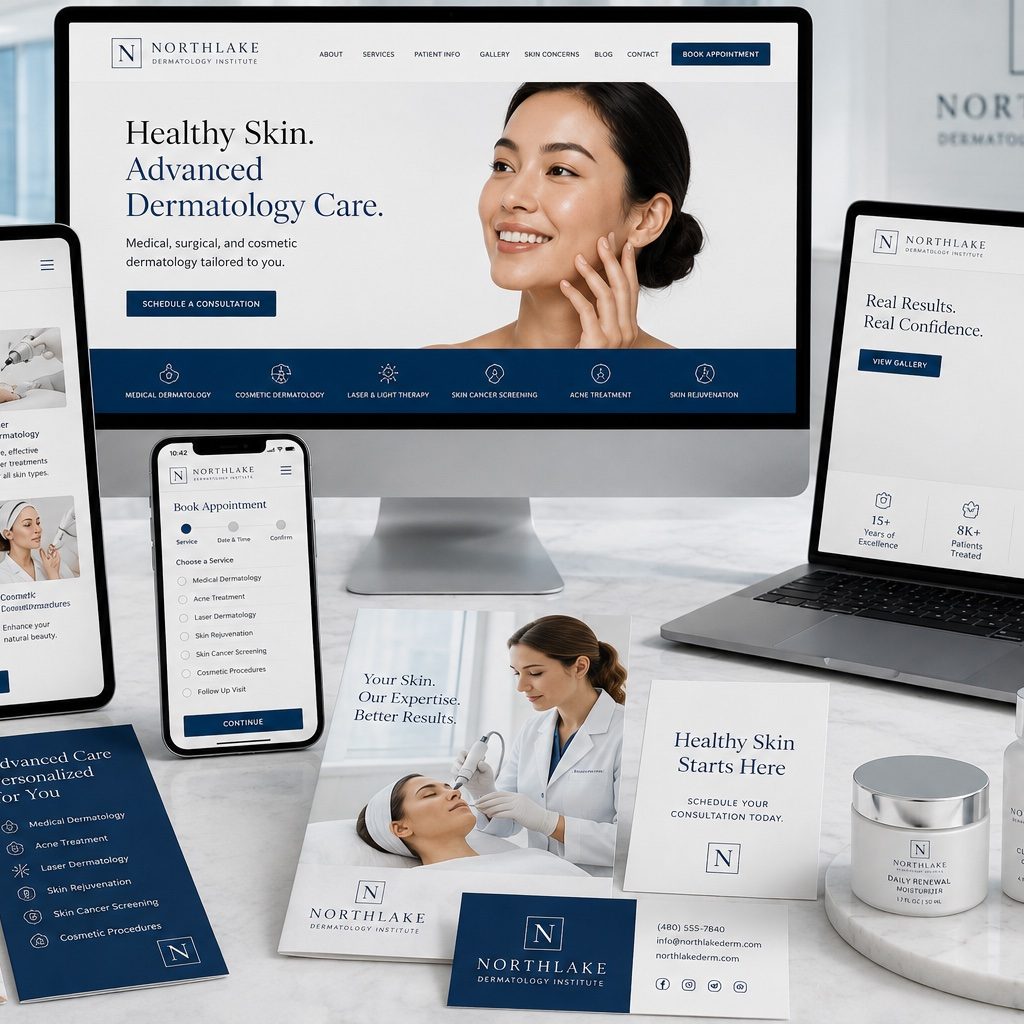
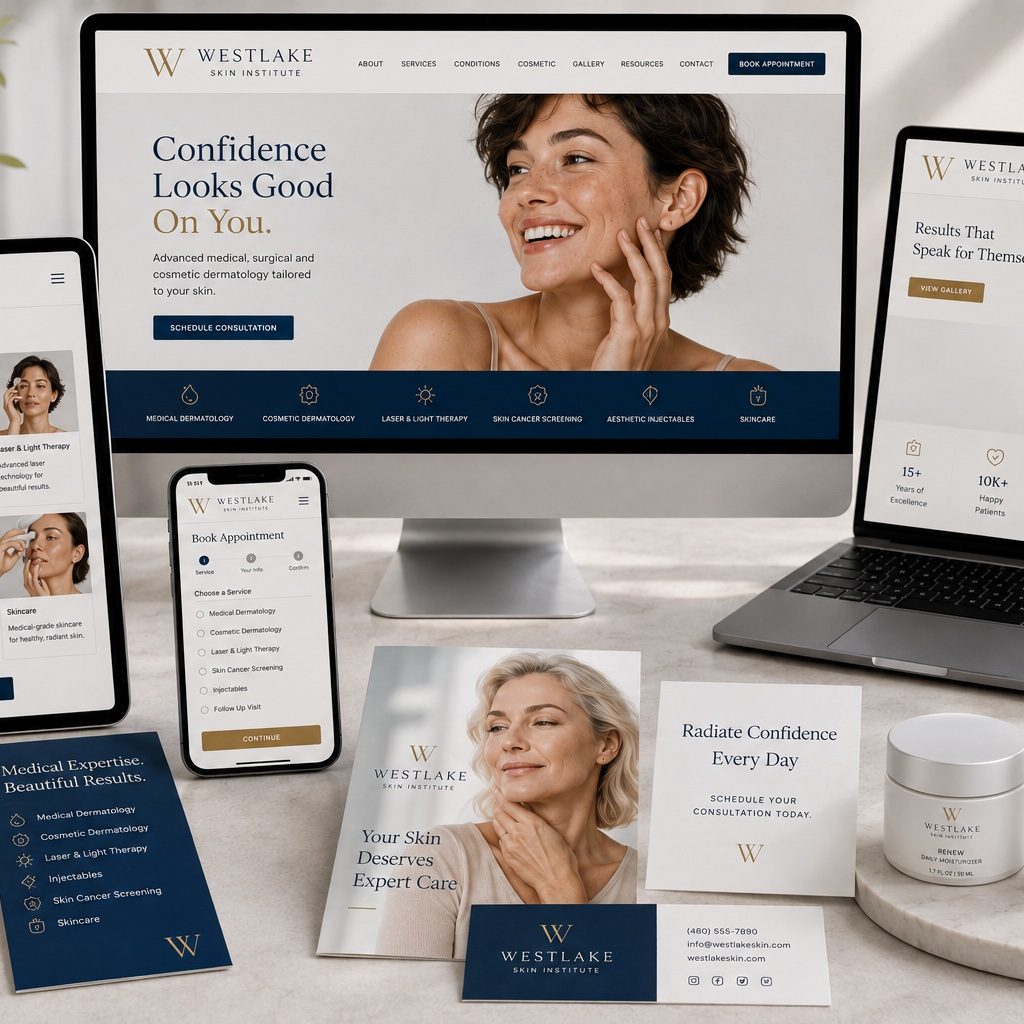
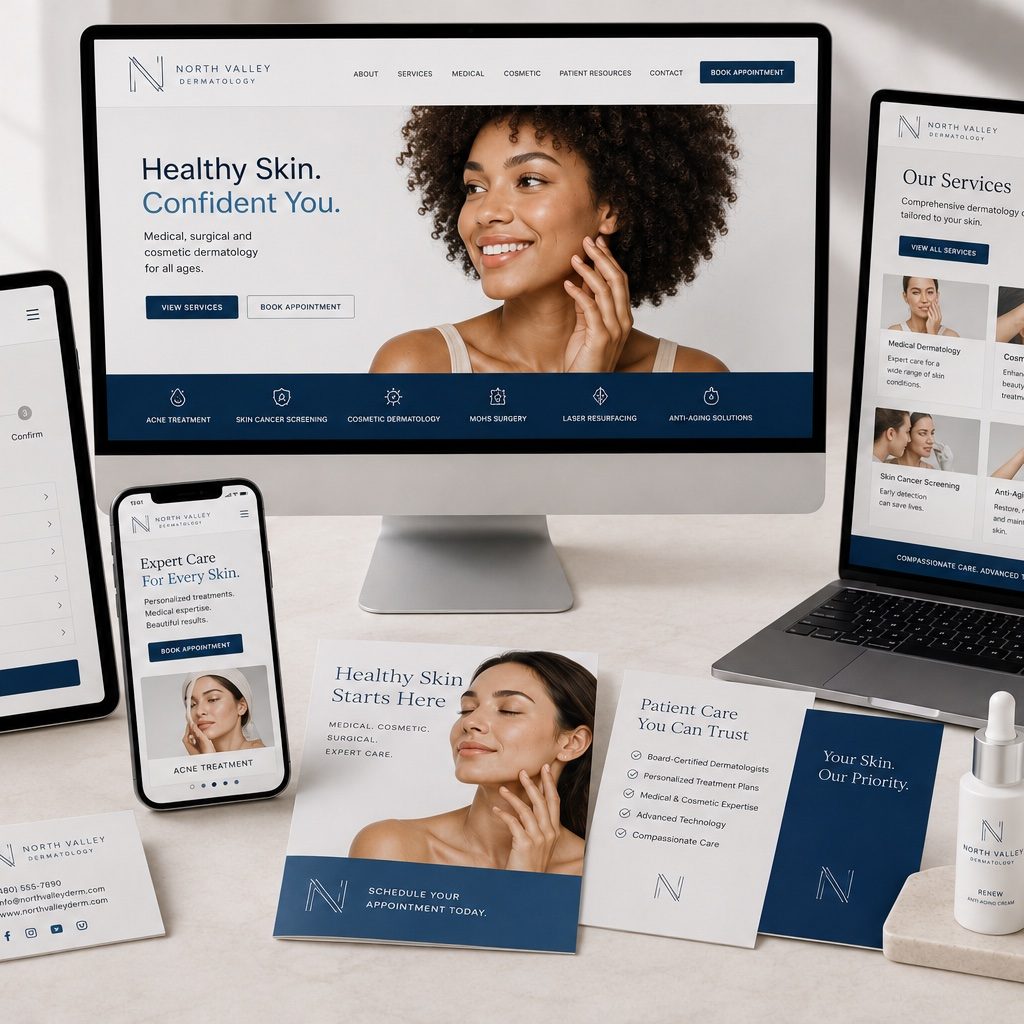
Latest Projects
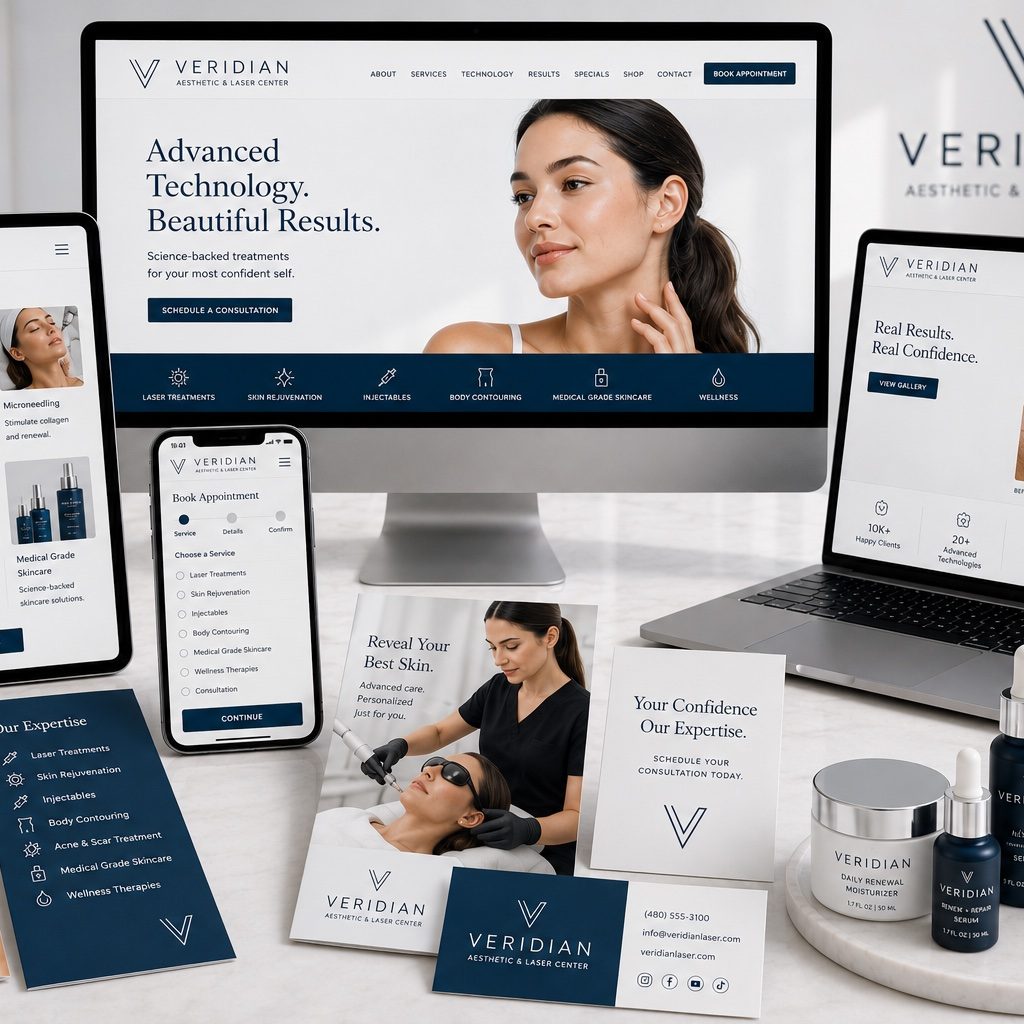
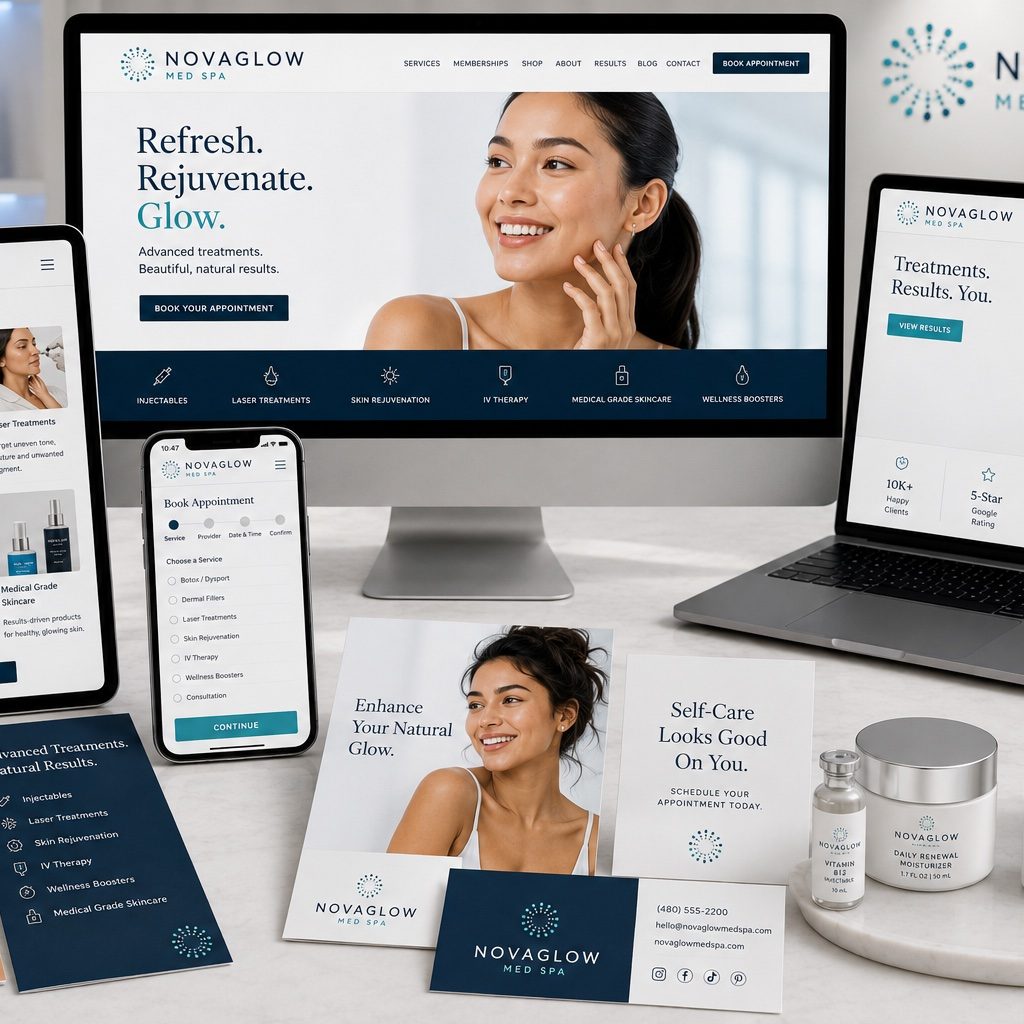
We work with established businesses and growth-focused companies across multiple industries. Regardless of size, our focus remains the same—delivering high-quality work, measurable results, and strong return on investment.
Ready to Accelerate Your Growth?
Work with experienced consultants to uncover opportunities, improve performance, and implement strategies that generate leads and increase revenue.
- No long-term contracts — results-focused
- Clear, customized growth strategy
- Proven systems to generate leads
- Ongoing optimization and expert support
Aesthetic Growth Resources
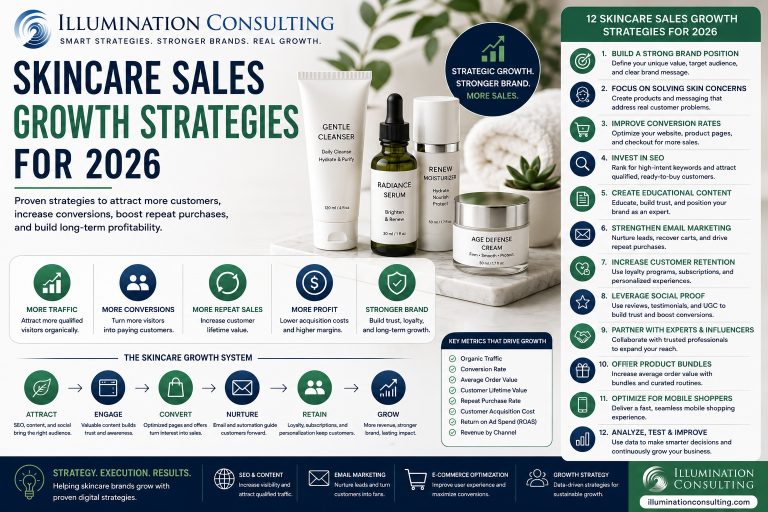
Skincare Sales Growth Strategies for 2026
The skincare industry continues to experience strong growth as consumers invest more heavily in products that improve skin health, reduce signs of aging, and address specific skincare concerns. At the same time, competition continues to intensify as new brands enter the market and established companies expand their product offerings. Consequently, skincare companies must develop effective…
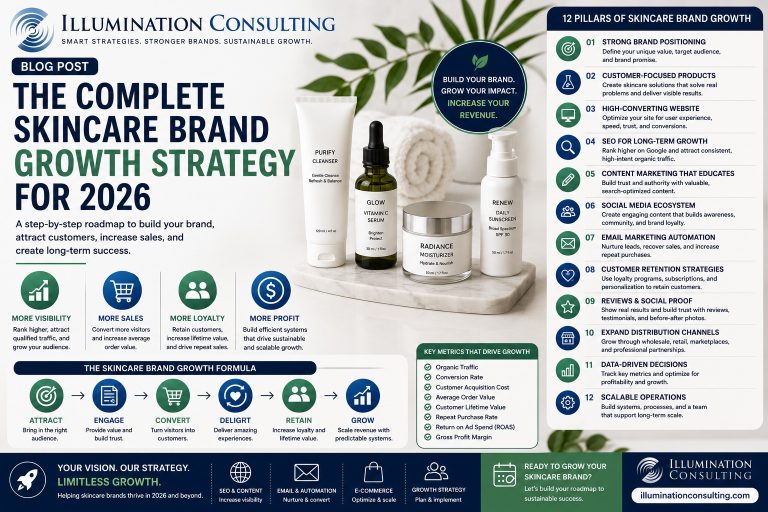
The Complete Skincare Brand Growth Strategy for 2026
The skincare industry continues to evolve rapidly as consumer expectations, technology, and competition reshape the marketplace. While demand for skincare products remains strong, building a successful brand requires far more than launching quality products. Today, the most successful skincare companies combine strong branding, effective marketing systems, customer retention strategies, and operational excellence to drive sustainable…
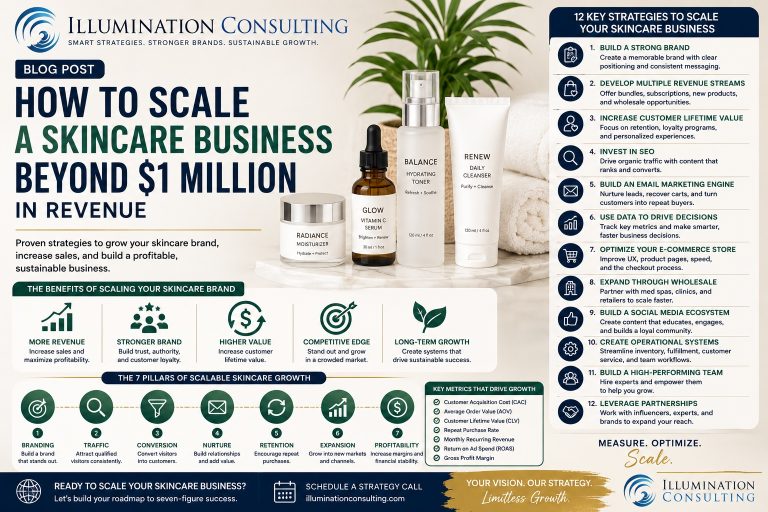
How to Scale a Skincare Business Beyond $1 Million in Revenue
Many skincare brands successfully launch products and generate their first sales. However, reaching the next level of growth often proves far more difficult. While launching a skincare company requires vision and execution, scaling beyond $1 million in annual revenue requires systems, leadership, and strategic planning. The skincare industry presents significant opportunities for growth. Consumer demand…
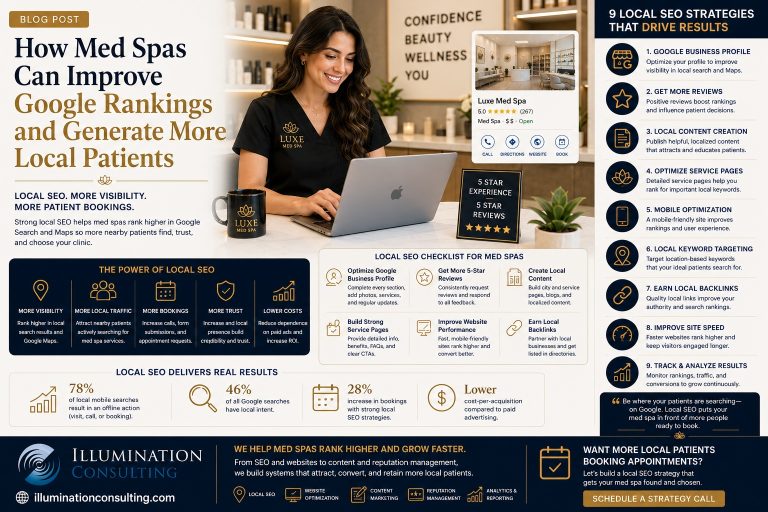
How Med Spas Can Improve Google Rankings
How med spas can improve Google rankings and generate more local patients is one of the most important topics for clinics seeking sustainable growth. Most prospective patients begin their search for aesthetic services online before scheduling consultations. However, many med spas struggle to appear prominently in local search results despite offering exceptional treatments and patient…
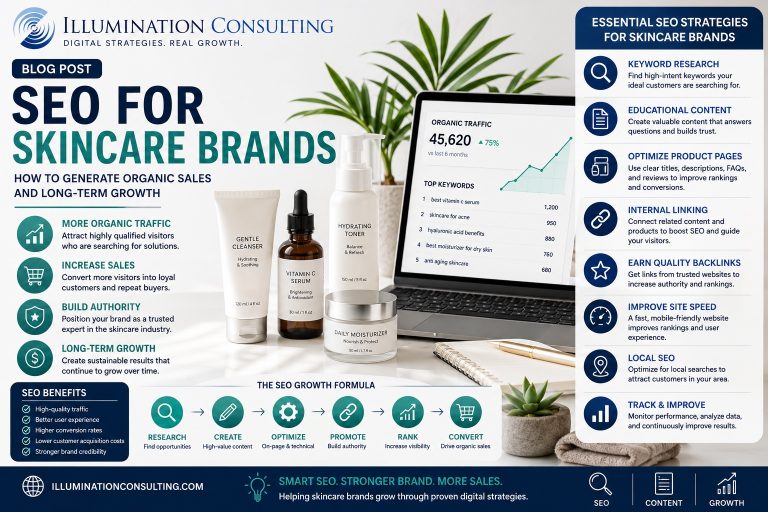
SEO for Skincare Brands: How to Generate Organic Sales
The skincare industry has become increasingly competitive as new brands enter the market and established companies continue expanding their digital presence. Consequently, customer acquisition costs have risen across many advertising platforms. While paid advertising can generate immediate visibility, many skincare brands are searching for sustainable ways to attract customers and increase sales without relying entirely…
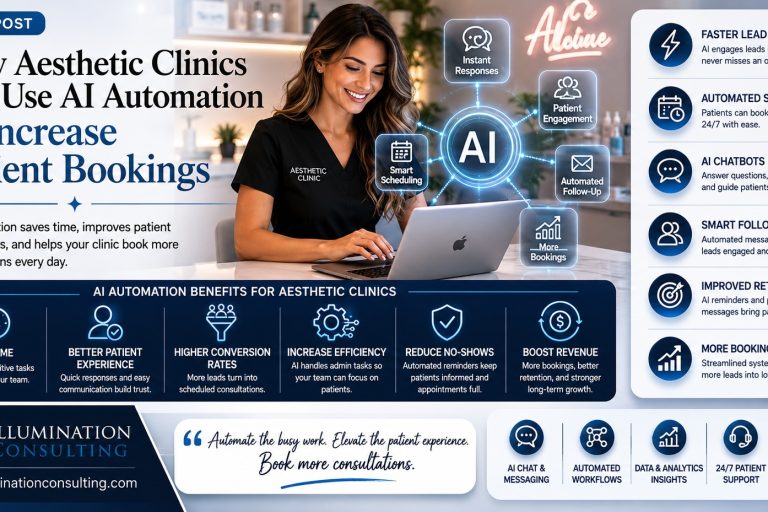
How Aesthetic Clinics Can Use AI Automation
How aesthetic clinics can use AI automation to increase patient bookings is rapidly becoming one of the most important growth strategies in the aesthetics industry. Many med spas, dermatology practices, and plastic surgeons struggle with lead follow-up, appointment scheduling, patient communication, and operational inefficiencies. However, artificial intelligence and automation tools can solve many of these…
BUSINESS GROWTH
Global Clients. Measurable Results.
Illumination Consulting partners with businesses across the globe to deliver strategy, marketing, and digital solutions that drive growth. Our work helps companies expand their reach, improve performance, and achieve measurable results in competitive markets.
Join our network of growth-focused clients

 USA
USA Canada
 Peru
Peru Japan
Japan Yemen
Yemen Ghana
Ghana Germany
 Australia
 Dubai
Dubai South Africa
 Great Britain
 Brazil
 Romania
 Spain
Spain India
India Mexico